
Have you heard that vitamin C and niacinamide can work better together? We’ll explore how combining these powerhouse ingredients can help your skin glow.
Why do people pair vitamin C and niacinamide?
Using vitamin C and niacinamide together can help you achieve a healthy, luminous complexion. Learn how these ingredients work synergistically to benefit your skin.
Advantages of each ingredient
Vitamin C and niacinamide are potent skincare ingredients that can noticeably affect your appearance. Applying vitamin C can have a brightening effect on your skin, minimize the appearance of discolorations, and help fight free radical damage. It can also help give your skin a firmer, more radiant look.
Niacinamide supports your skin’s protective barrier and helps it regulate oil production while maintaining hydration, making it great for acne-prone skin. This form of vitamin B3 can also visibly reduce redness, minimize the look of fine lines and wrinkles, and give your skin a more even, luminous tone.
Why use both vitamin C and niacinamide?
When you use them together, vitamin C and niacinamide are especially effective at fighting visible signs of aging. Both antioxidant ingredients can help refine your skin and protect against environmental stressors. By combining them in your skincare routine, you may see noticeable benefits more quickly than you would if you used each ingredient alone.
The myth about mixing vitamin C with niacinamide
If you’ve ever heard that you shouldn’t combine niacinamide and vitamin C, we’re here to dispel the myth. You can use these ingredients together safely and achieve beautiful results.
Where did the myth come from?
Decades ago, when researchers mixed pure ascorbic acid and niacinamide under extremely high heat, they created nicotinic acid, a compound that can irritate skin. As it turns out, the studies did not reflect how vitamin C and niacinamide interact when they’re used in skincare. When formulated correctly, products like serums and moisturizers that include both ingredients can improve the look of your complexion without negative side effects.
Why are modern formulations stable?
Vitamin C can break down when it’s exposed to heat, light, and air, and niacinamide can change chemically in very low-pH environments; however, innovations in cosmetic chemistry have made these ingredients more stable. By using pH-optimized formulas and microencapsulation, skincare products that contain vitamin C and niacinamide can last longer and yield more reliable results.

What matters most when choosing skincare with vitamin C and niacinamide?
When using skincare products with vitamin C or niacinamide, choose stable, pH-balanced formulations. Layering them properly, as recommended by the American Academy of Dermatology, will go a long way toward achieving the results you want to see. In general, since vitamin C and niacinamide are complementary, it’s important to apply your products from thinnest to thickest to maximize their efficacy.
How to layer vitamin C and niacinamide correctly
Layering vitamin C and niacinamide properly can help them perform at their best. Here’s what we recommend.
Recommendations for application
To get the most out of using vitamin C and niacinamide in your skincare routine, many experts recommend applying vitamin C first, after cleansing, and then following up with a niacinamide-infused serum or moisturizer. Because vitamin C is more acidic than niacinamide, applying it directly to bare skin may help it absorb better.
You can use vitamin C and niacinamide together morning and night, though we think that using vitamin C in the daytime is most beneficial because it can help fight environmental damage. Niacinamide is unlikely to conflict with other skincare ingredients, and its balancing properties make it good to use morning and night. To optimize the effects of your skincare and protect against sun damage, be sure to apply a broad-spectrum SPF 30+ sunscreen every morning before you go outside.
Tips for sensitive skin
If you have sensitive skin, gradually introducing vitamin C and niacinamide into your skincare routine can help you avoid irritation. First, try using vitamin C in the morning and niacinamide at night, and then add niacinamide into your morning routine if your skin tolerates the combination.
While most skin types will tolerate vitamin C and niacinamide in low concentrations, you need to do a patch test before applying a new product all over your skin. Apply your product to a dime-sized area of skin along your jawline, behind your ear, or inside your forearm; if you experience no adverse reaction within 24 hours, apply your skincare products as directed.
Try using your new products every other day, and if your skin reacts well, you can start applying them every day or twice daily as needed. Be sure to follow up with a moisturizer that keeps your skin hydrated, and always remember to wear sunscreen.
Common mistakes to avoid
Although vitamin C and niacinamide can help make your skin look great, using them incorrectly can have undesirable effects. Here are some mistakes to avoid.
Applying too many actives at once
Vitamin C and niacinamide are potent actives, and using them with other actives such as retinol can be too much of a good thing. To prevent irritation, read product labels, follow their directions, and always use vitamin C and niacinamide in concentrations you know your skin can tolerate.
Skipping sunscreen
Sunlight can diminish the brightening benefits of vitamin C and increase the skin’s sensitivity and susceptibility to UV damage. It’s important to use a broad-spectrum SPF 30+ sunscreen every day to protect your complexion.
Ignoring formulation compatibility
Niacinamide and vitamin C can be incompatible with skincare ingredients like benzoyl peroxide, retinol, AHAs and BHAs, and copper peptides. Since niacinamide is unstable when combined with other acidic ingredients, using it with AHAs and BHAs can cause irritation. Benzoyl peroxide is highly alkaline, so it can oxidize vitamin C and make it less effective. Using retinol and vitamin C together can be too harsh on your skin and cause irritation while copper peptides and vitamin C tend to cancel out each other’s benefits if combined.
When you’re choosing skincare that contains niacinamide, vitamin C, or both, it’s important to choose a high-quality product. Better skincare is more likely to remain stable and effective and give you the results you want without causing blotchiness, irritation, or other adverse reactions. Remember to always check with your dermatologist about what ingredients are right for your skin.
Expected results and timelines
When you’re introducing new ingredients into your skincare routine, it can take time to see results. Here’s what to expect.
When can I expect to see visible improvements?
Niacinamide and vitamin C complement your skin’s natural renewal process. If you apply your products morning and night as directed, while results may vary, many can expect to see a visibly brighter tone and smoother texture in four to eight weeks.
Why consistency matters
Using vitamin C and niacinamide every day will amplify their benefits over time. To enhance your glow, we recommend using Rodan + Fields Pure C Serum every morning. This advanced formula delivers 10% pure L-ascorbic acid in a stable, water- and oil-free formula that layers seamlessly under hydrating serums like niacinamide. Its antioxidant-rich blend supports collagen and brightening while niacinamide helps strengthen the skin barrier and improve texture. Together, they create a powerhouse routine for radiant, resilient skin.
Pure C Serum
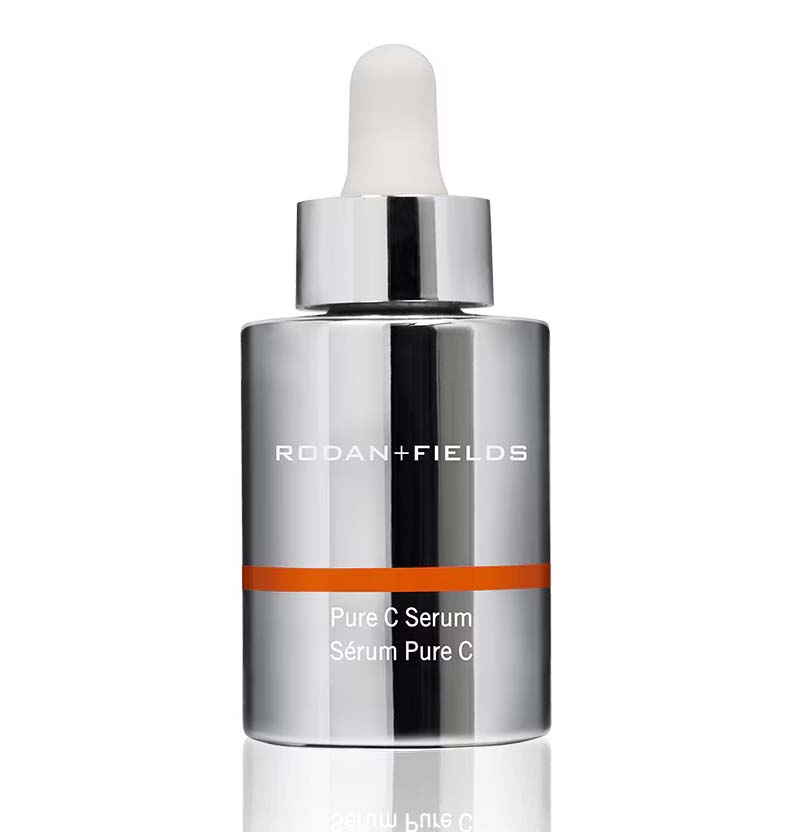
Pure C Serum is a collagen-supporting longevity serum, powered by the purest form of Vitamin C, that helps preserve a youthful appearance for visibly firmer, smoother, brighter skin.
FAQs
Can you use vitamin C and niacinamide together?
To maximize the brightening and anti-aging benefits of vitamin C and niacinamide, you can use these ingredients together. We recommend using Rodan + Fields Pure C Serum every morning after cleansing, layering it under a niacinamide serum or moisturizer, and using a treatment or moisturizer that contains niacinamide every night.
Does layering vitamin C and niacinamide cause irritation?
In low concentrations, layering vitamin C under niacinamide is unlikely to cause irritation. To protect your complexion, patch test your products first before applying them to large areas of skin, gradually introduce them into your skincare routine, and always wear an SPF 30+ sunscreen.
What is the correct order for applying vitamin C and niacinamide?
For best results, apply vitamin C first to freshly cleansed skin, let it absorb, and then apply niacinamide.
Should I use vitamin C and niacinamide in the morning or at night?
Experts believe that vitamin C is most effective in the morning while niacinamide can benefit your skin morning and night.
Do I need sunscreen if I use vitamin C and niacinamide?
If you use vitamin C and niacinamide, you must use SPF 30+ sunscreen to protect your skin from UV damage and avoid sensitivity.
Can vitamin C and niacinamide help with dark spots and uneven tone?
Vitamin C and niacinamide are proven brighteners that can reduce the appearance of dark spots and discoloration while promoting a more radiant, even skin tone.
Are there any ingredients I should avoid when using both?
When you’re using vitamin C and niacinamide, avoid using benzoyl peroxide, retinol, AHAs and BHAs, and copper peptides.
How long does it take to see results when layering vitamin C and niacinamide?
When layering vitamin C and niacinamide, expect to see results in four to eight weeks.