How to Use Benzoyl Peroxide for Acne: Complete Guide
Benzoyl peroxide ranks among the most reliable over-the-counter choices for treating acne. It targets the bacteria that fuel breakouts while helping clear away the dead skin cells that clog pores. People searching for a benzoyl peroxide acne treatment often want straightforward directions on strength selection, daily application, and ways to avoid irritation.
Rodan + Fields offers targeted options like the Unblemish Dual Intensive Acne Treatment that deliver 2.5 percent benzoyl peroxide in a hydrating dual-chamber formula. Their full Unblemish Regimen builds a complete system around it. You can also review their detailed benzoyl peroxide routines for acne for extra ideas on fitting it into daily life.
What Benzoyl Peroxide Does for Acne
Benzoyl peroxide works through multiple actions at once. It kills acne-causing bacteria on the skin surface and inside pores. It also acts as a mild exfoliant that loosens the buildup of dead cells and excess oil. This dual action helps both inflamed pimples and the clogged pores that lead to blackheads or whiteheads.
It helps calm redness over time because it reduces the environment where bacteria thrive. Unlike some antibiotic treatments, bacteria do not develop resistance to it, which supports longer-term use when needed. The ingredient penetrates pores quickly and starts working right away, though visible changes build with consistent application.
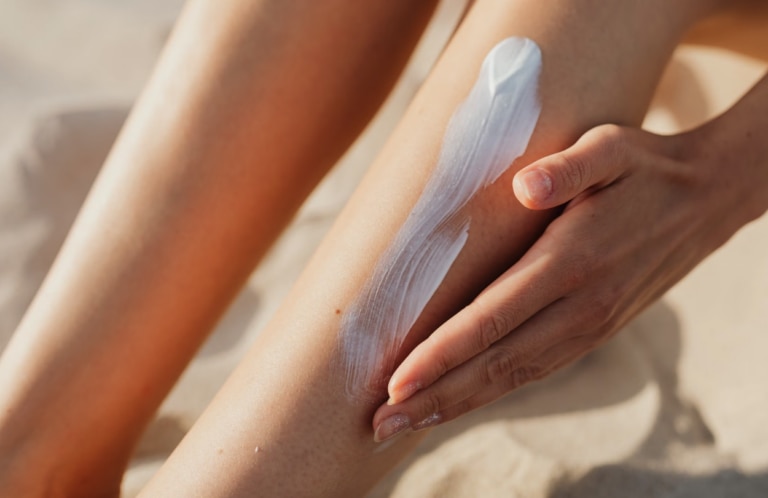
It suits most skin types when introduced gradually. Those with oily skin or combination skin often tolerate it well, while drier or sensitive skin benefits from lower strengths paired with extra hydration. Body acne on the back or chest responds especially well because those areas handle stronger or more frequent application better than the face.
Choosing the Right Concentration
Benzoyl peroxide comes in several strengths, most commonly 2.5 percent, 5 percent, and 10 percent. Lower percentages generally cause less dryness and peeling, making them a smart starting point for facial use or anyone new to the ingredient. Higher percentages deliver stronger antibacterial power and work well for body breakouts or more stubborn cases once skin adjusts.
The key lies in matching strength to your skin’s tolerance and the area you treat. Face skin tends to need gentler introduction, while back or chest skin often handles 5 or 10 percent with fewer issues. Many dermatologist-developed formulas start at 2.5 percent because it still clears bacteria effectively while leaving room for soothing additives that protect the skin barrier.
Start with the lowest effective strength and increase only if your skin stays comfortable after several weeks. This approach reduces the chance of excessive irritation that can derail progress. Always follow the specific product instructions, as formulation matters as much as the percentage listed on the label.
Step-by-Step Application Methods
Proper technique makes a big difference in results and comfort. Begin with clean hands and a gentle, non-medicated cleanser. Pat skin dry instead of rubbing. Apply benzoyl peroxide to the entire affected area rather than just individual spots when breakouts are widespread. A thin layer works better than a thick one.
Leave-on gel or cream
Dispense a pea-sized amount for the face. Spread it evenly over acne-prone zones. Let it absorb fully before adding moisturizer or sunscreen. Use once daily at first, preferably at night, then move to twice daily if skin responds well.
Cleanser or wash
Wet skin with lukewarm water. Apply a small amount of the benzoyl peroxide cleanser and massage gently for one to two minutes. Rinse thoroughly. This short-contact method delivers treatment while limiting overall exposure, which helps sensitive skin adjust.
Spot treatment
Dab a tiny amount of the benzoyl peroxide spot treatment directly onto active blemishes after cleansing. Allow it to dry before layering other products. This method works well alongside a full-face routine when only a few pimples appear.
Wash hands after every application to avoid transferring the product to fabrics or other areas. Give the skin time to absorb before getting dressed or touching pillowcases.
Building a Supportive Daily Routine
Benzoyl peroxide works best inside a simple, consistent routine that protects the skin barrier. Use a mild cleanser morning and night. Follow with your benzoyl peroxide product. Finish with a lightweight, non-comedogenic moisturizer to offset dryness. In the morning, add a broad-spectrum sunscreen of at least SPF 30 because the ingredient can increase sun sensitivity.
Many people layer a hydrating serum or calming treatment between cleansing and benzoyl peroxide if skin feels tight. Apply acne treatments to dry skin for best absorption. Wait a minute or two between layers so each product settles properly.
For those who prefer a ready-made system, the Unblemish Regimen pairs a refining acne wash with the dual intensive treatment and a matte-finish SPF. This creates a streamlined four-step process that addresses breakouts while supporting overall skin health.
Managing Side Effects and Irritation
Dryness, mild peeling, and temporary redness rank as the most common reactions, especially in the first one to two weeks. These signs usually mean the ingredient is doing its job of speeding up skin renewal. Start every other day or use short-contact methods to give skin time to adapt. Apply a rich moisturizer immediately after the treatment absorbs.
Stinging or burning that lasts more than a few minutes signals the need to reduce frequency or switch to a lower strength. Avoid combining it with strong exfoliants or retinoids at the same time unless a professional directs you otherwise. Alternate nights or use one in the morning and the other at night to minimize conflict.
Benzoyl peroxide can bleach colored fabrics, towels, and hair. Use white or light-colored linens and clothing during treatment periods. Keep the product away from eyes, lips, and any broken skin. If irritation persists beyond a few weeks or worsens, pause use and consult a dermatologist.
Pairing Benzoyl Peroxide with Other Acne Ingredients
Benzoyl peroxide combines well with several other proven actives when introduced thoughtfully. It pairs effectively with salicylic acid in some regimens because the two target different causes of acne. Many experts recommend it alongside topical retinoids for comprehensive care, though buffering or alternating nights prevents excessive dryness.
The American Academy of Dermatology strongly recommends benzoyl peroxide as part of multimodal acne plans because it supports other treatments and helps limit antibiotic resistance when oral or topical antibiotics enter the picture. Always introduce one new product at a time and watch for signs of over-exfoliation. When in doubt, a dermatologist can design a safe combination tailored to your skin history.
Rodan + Fields: A Dermatologist-Developed Way to Use Benzoyl Peroxide for Acne
Rodan + Fields creates skincare with input from dermatologists, focusing on formulas that deliver results without unnecessary irritation. Their Unblemish line centers on a 2.5 percent benzoyl peroxide treatment delivered through a dual-chamber system. One chamber releases the active while the other supplies ceramides and calming extracts that hydrate and visibly plump skin at the same time.
Users appreciate the built-in ramp-up guidance and the option to adjust frequency based on how skin responds. For teens and younger users who want a focused, straightforward option, the Spotless 30-Day Regimen delivers a simple two-step system built around benzoyl peroxide. It pairs an oxygen-infused acne wash with a clearing treatment that uses their BPO2 technology to target bacteria and help clear breakouts quickly while supporting skin comfort.
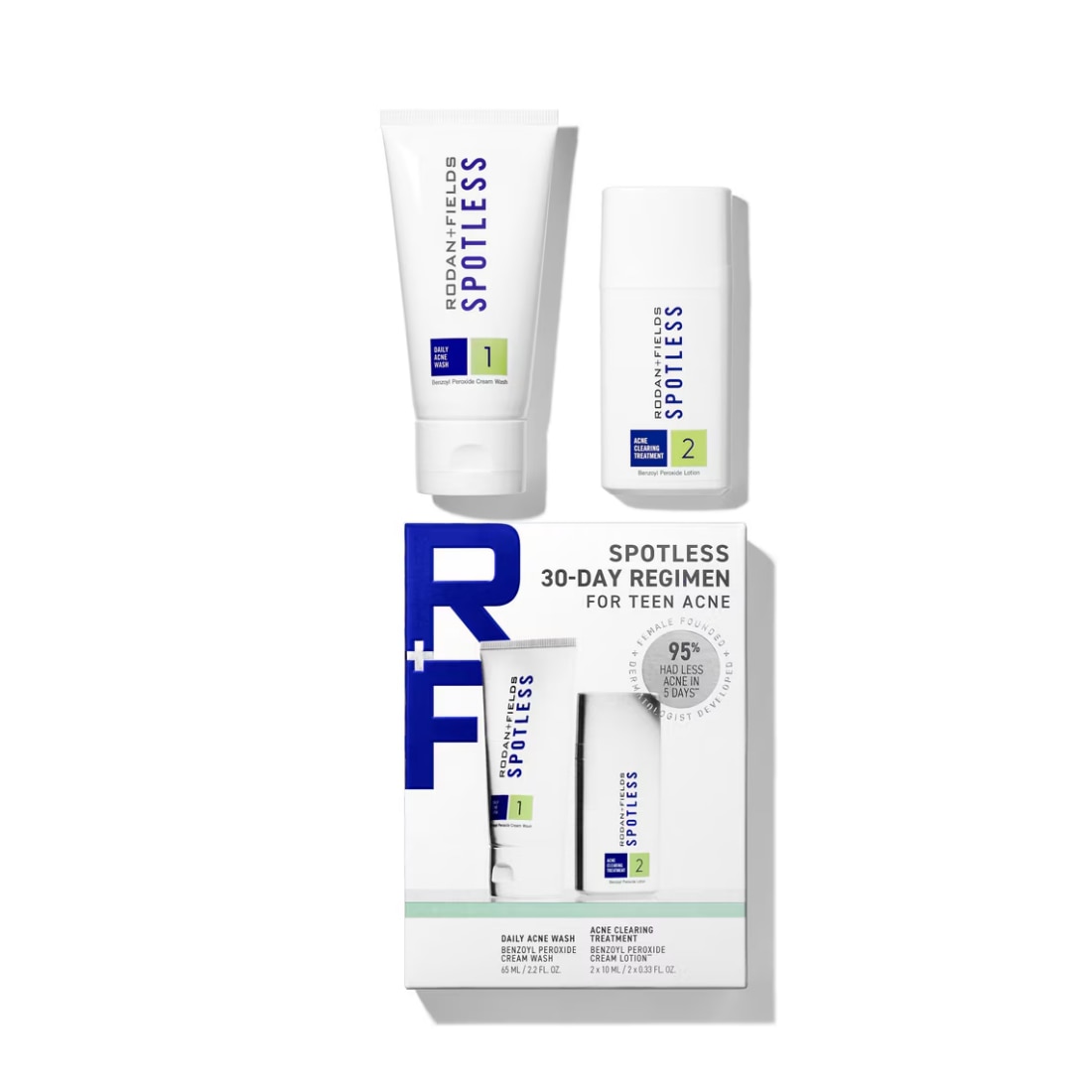
Target acne with a one-two approach. Our 2-step routine for teens and young adults clears existing blemishes and helps prevent new breakouts with BPO2 Technology.
*Packaging may vary
DETAILS
What’s included:
• Spotless Daily Acne Wash 65 mL/ 2.2 fl oz
• Spotless Acne Clearing Treatment 2 x 10 mL/ 2 x 0.33 fl oz
What it is: A simple 2-step routine created for teens and young adults. It helps clear acne and blemishes, deeply cleanses pores, and helps control the appearance of oil and shine.
Why you need it: Consistent use of a targeted acne routine supports clearer skin and greater comfort. Our award-winning solution for teen and young adult acne earned the Teen Vogue 2019 Acne Award.
Awards: Teen Vogue 2019 Acne Award. Click Here for Article.
ITEM NUMBER: SPRG30D
KEY CONCERNS
Teen + Young Adult Acne, Blemishes, Breakouts
SKIN TYPE
Suitable for all skin types
KEY BENEFITS
Helps clear acne, deeply cleanses pores, controls the appearance of oil + shine
Clinical Results
- 87% had less oiliness instantly after 1 use
- 100% had improvement in lesion size in 5 days
- 97% had improvement in lesion redness in 5 days
- 95% had less acne in 5 days
- 97% had improvement in overall lesion appearance in 6 weeks
- 100% had less oiliness/shininess in 8 weeks
FULL STUDY RESULTS
Instantly:
- 87% instantly had less oiliness after 1 use *
Overtime:
- 100% had improvement in lesion size in 5 days *
- 97% had improvement in lesion redness in 5 days *
- 95% had less acne in 5 days *
- 82% noticed smoother skin in 4 weeks *
- 97% had improvement in overall lesion appearance in 6 weeks *
- 100% had less oiliness/shininess in 8 weeks *
*Based on an 8-week US Clinical and Consumer Study
HOW TO USE
Use once daily, avoiding the eye area. Increase to twice daily in the AM + PM, as tolerated. If dryness or peeling occurs, reduce to once a day or every other day.
Step 1: Cleanser
Spotless Daily Acne Wash
- Wet skin with lukewarm water.
- Using fingertips, apply a thin layer and massage over face for 90 seconds.
- Rinse thoroughly and pat dry.
Step 2: Treatment
Spotless Acne Clearing Treatment
- Dispense 1-2 pumps into palm and blend evenly.
- Cover affected area with a thin layer of product.
- Do not rinse off.
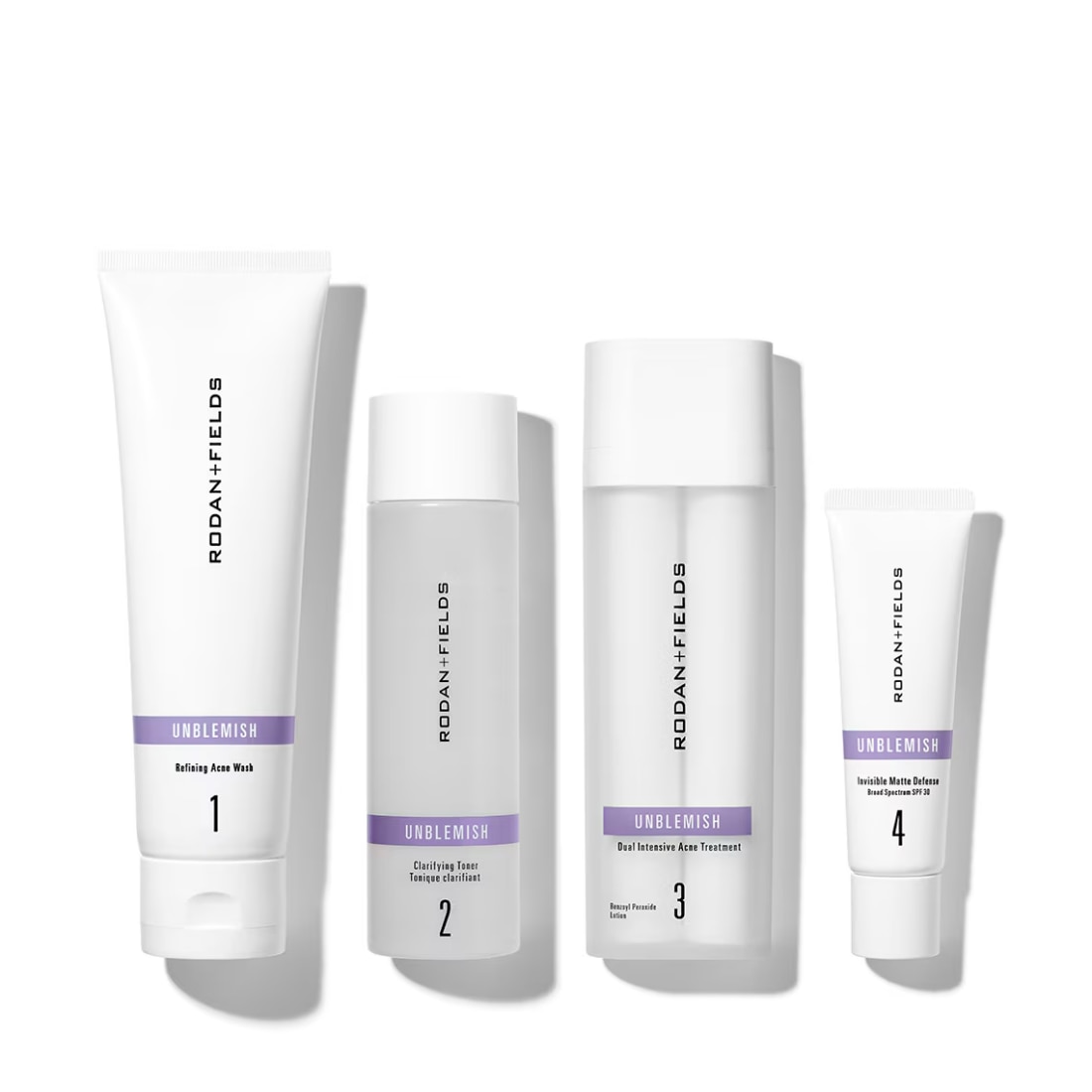
Details
What It Is: A targeted approach to adult acne and the visible signs of aging. This dermatologist-developed regimen clears breakouts, minimizes pores, and smooths the look of fine lines
Why You Need It: Adult acne often stems from excess oil, debris, and dead skin buildup that clogs pores. Our proprietary Unblemish Regimen addresses these concerns alongside the visible signs of aging
Key Concerns
Adult Acne, Oily Skin, Uneven Tone + Texture,
Key Benefits
Clears and prevents breakouts, removes excess oil and debris
Proprietary Technology + Key Ingredients
Salicylic Acid
Exfoliates dead skin to unclog pores
Hyaluronic Acid
Provides hydration to support firmer-looking skin
2.5% Benzoyl Peroxide
Clears existing blemishes and helps prevent future ones
Clinical Results
Unblemish Regimen
Acne Results — After 8 Weeks*
97% had less acne
93% had less oily skin
76% had clearer skin
72% had an overall healthier appearance
Anti-Aging Results — After 8 Weeks*
93% had smoother skin
83% noticed more radiant skin
83% had a more even skin tone
76% noticed smaller, less visible pores
*Based on an 8-week U.S. clinical and consumer study.
How To Use
Apply the UNBLEMISH Regimen twice daily in the AM and PM, steering clear of the eye area.
Step 1: Cleanse
UNBLEMISH Refining Acne Wash
Use AM + PM
- Wet face and massage a dime-sized amount evenly for 30-60 seconds.
- Rinse thoroughly and pat dry.
Step 2: Tone
UNBLEMISH Clarifying Toner
Use AM + PM
- Swipe across face with a cotton round.
- Allow to dry fully before next step.
Step 3: Treat
UNBLEMISH Dual Intensive Acne Treatment
Use AM + PM
- Dispense 1-2 pumps into hand.
- Blend and apply evenly to face.
Step 4 Am: Protect
UNBLEMISH Invisible Matte Defense Broad Spectrum SPF 30
Use only in AM
- Apply a dime-sized amount to face and neck.
- Reapply every 2 hours if needed.
When to Seek Professional Guidance
Most mild to moderate acne responds well to consistent at-home benzoyl peroxide use. However, severe, cystic, or scarring acne benefits from in-person evaluation. A dermatologist can rule out hormonal factors, prescribe stronger combinations, or incorporate procedures that speed results.
See a professional promptly if you notice signs of infection, widespread inflammation, or no improvement after eight weeks of proper use. They can also advise on safe use during pregnancy or with specific skin conditions. Early guidance prevents frustration and protects skin from unnecessary irritation.
See our: