Is Body Butter the Same as Body Lotion or Body Cream?
Is body butter the same as body lotion or body cream? Body butter, body lotion, and body cream all aim to moisturize skin, yet they are not the same. Each has a distinct texture and formula that changes how quickly it absorbs, how long the hydration lasts, and which skin concerns it handles best. People often choose one based on their dryness level, the season, or the body area that needs attention most.
The differences matter because body skin faces unique challenges. It is thicker than facial skin, renews more slowly, and can reveal dryness, roughness, or crepiness more easily in certain spots. The right body moisturizer supports the skin barrier, helps reduce moisture loss, and keeps skin comfortable.
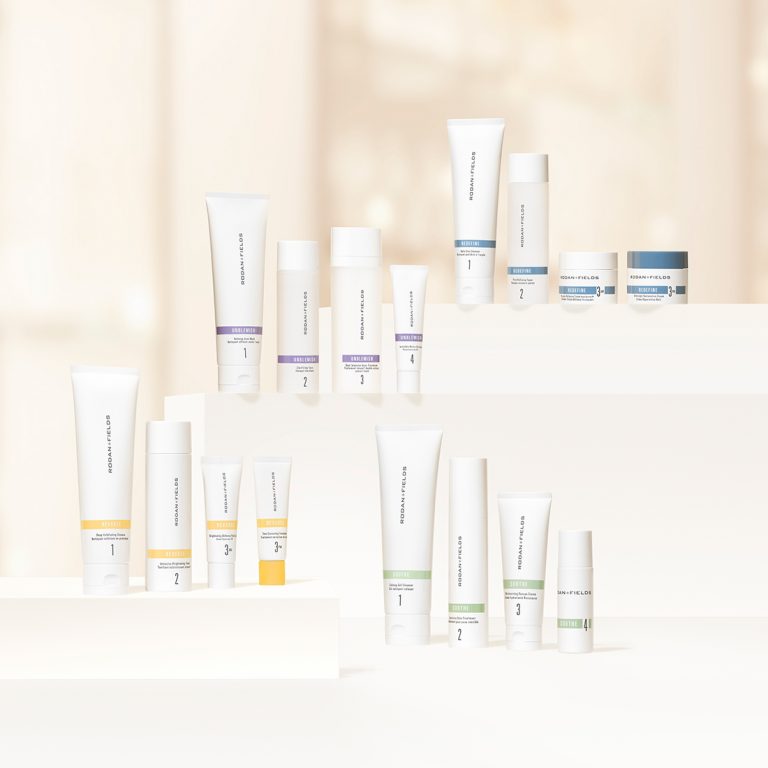
Advanced formulas combine beneficial ingredients in effective ways. The Active Hydration Body Replenish from Rodan + Fields features proprietary technology that draws moisture from the air and delivers skin-conditioning oils and shea butter in a lightweight cream texture. For facial care that complements body hydration, many turn to the REDEFINE Regimen with its creams and lotions designed to soften and firm skin. You can explore more options in our best-selling collection.
Discover dermatologist-developed hydration solutions that fit your routine at Rodan + Fields.
What Sets Body Lotion, Body Cream, and Body Butter Apart?
These three categories of body moisturizers share the goal of softening skin and supporting its barrier. The real distinctions lie in the amount of water versus nourishing lipids they contain and how those ingredients interact with skin.
Body lotions usually feel the lightest. They spread easily, absorb fast, and leave little to no residue. This makes them practical for everyday use on larger areas or when you want hydration without a long wait.
Body creams sit in the middle. They feel richer than lotions yet still spread without much effort. The extra emollients provide longer-lasting softness, which suits normal to dry skin or cooler months when indoor heat pulls moisture from the air.
Body butters bring the most concentrated feel. Made with higher amounts of plant butters and oils, they create a protective layer that slows moisture from escaping. Many people use them on rough patches like elbows, knees, and heels, or during winter when skin feels especially tight.
Think of the three as different tools rather than direct substitutes. A lotion handles light daily maintenance. A cream adds staying power for moderate dryness. A butter delivers intensive sealing for very dry or textured areas. You can even layer them by starting with a lotion or cream and following with a thin layer of butter on trouble spots.
Texture, Absorption, and How Long Hydration Lasts
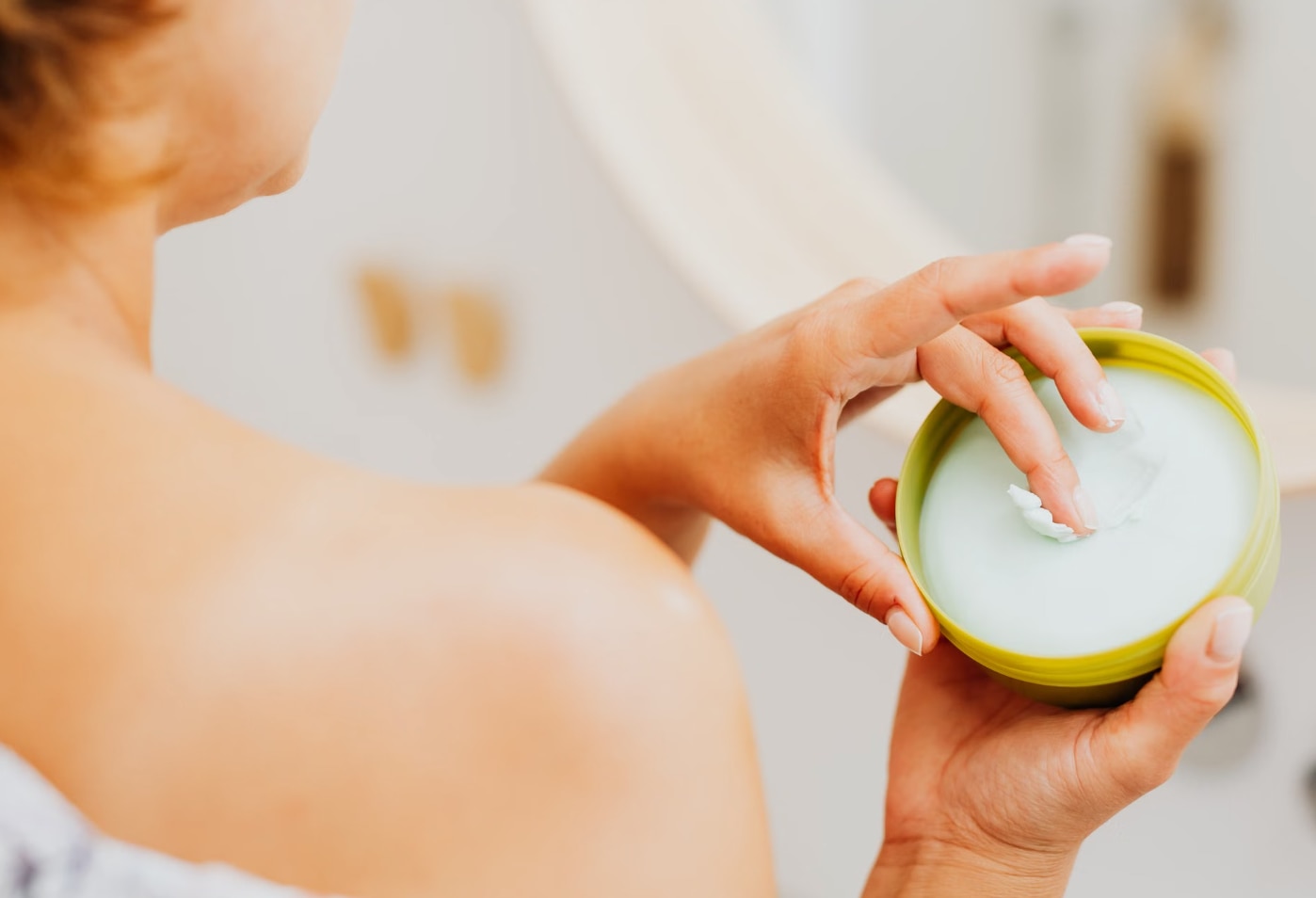
Texture directly affects the user experience. Lotions pour or pump easily and feel almost watery on contact. Creams require a small scoop and feel more substantial as you rub them in. Butters often come in jars and can feel dense or slightly waxy until they warm against skin.
Absorption speed follows the same pattern. Lotions disappear into skin within seconds for most people. Creams take a minute or two longer as the extra oils integrate. Butters may need gentle massage and can leave a temporary protective film, especially on very dry skin.
Duration of hydration also varies. Lotions typically refresh skin for a few hours before another application helps. Creams extend that comfort because they contain more barrier-supporting ingredients. Butters tend to last the longest on the surface, which is why they work well overnight or on exposed areas during harsh weather.
These qualities make each type better suited to certain situations. Fast-absorbing lotions fit busy mornings or warmer climates. Richer creams and butters shine when skin needs extra help recovering from dryness or environmental stress.
How Each Type Supports Skin Hydration
Moisturizers work through three main actions: drawing moisture toward the skin, softening and filling in tiny gaps between skin cells, and sealing the surface to slow evaporation. Different products emphasize these actions to varying degrees.
Body lotions often lean on humectants that pull water from the environment or deeper skin layers. They pair those with light emollients so skin feels hydrated without heaviness. This approach works well when skin only needs a quick boost or when you prefer a weightless finish.
Body creams balance humectants with a higher share of emollients and some occlusive ingredients. The result is hydration that feels more substantial and lingers. Many people with dry skin notice smoother texture and less flakiness after consistent use.
Body butters emphasize occlusive and emollient ingredients such as shea, cocoa, or mango butter. These create a thicker shield that helps very dry or compromised skin hold onto moisture longer. The trade-off is slower absorption and a richer feel that some skin types enjoy while others find too heavy for daily all-over use.
No single type is universally superior. The best choice depends on your skin’s current condition, the climate, and how much time you have for application and absorption.
| Aspect | Body Lotion | Body Cream | Body Butter |
| Texture | Lightweight and fluid | Rich yet spreadable | Thick and concentrated |
| Absorption | Very fast | Moderate | Slower, often needs massage |
| Typical Feel | Non-greasy, quick dry-down | Nourishing with light finish | Protective, can feel occlusive |
| Best For | Daily use, normal to oily skin, warm weather | Dry skin, year-round daily care | Very dry patches, winter, rough areas |
| Barrier Support | Light | Moderate to strong | Strongest among the three |
| Common Ingredients | Water, glycerin, light oils | Glycerin, plant oils, some butters | High levels of shea, cocoa, mango butter |
The Active Hydration Body Replenish brings together elements from these categories in one fast-absorbing cream. It uses a high level of glycerin bound with hyaluronic acid in a proprietary matrix that actively draws moisture throughout the day, while jojoba, coconut oil, and shea butter condition and soften. Many users appreciate that it delivers continuous hydration without the heavy or greasy feel some traditional butters leave behind.
Choosing the Right Option for Your Skin and Routine
Start by assessing how your skin feels right now. Tightness, visible flakes, or rough texture usually signals a need for more emollients and occlusives. If skin feels comfortable most of the day but could use extra softness, a lotion or lighter cream often suffices.
Consider the season and your environment. Dry winter air or frequent exposure to air conditioning or heating increases transepidermal water loss. Richer creams or targeted butter applications on problem areas help counteract that. In humid summer months, many people prefer lighter lotions that absorb quickly and do not feel sticky.
Body areas also guide the decision. Larger surfaces like legs and arms often do well with a cream that spreads easily. Smaller, rougher zones such as heels, elbows, or knees benefit from a butter applied sparingly at night. Hands and feet sometimes need extra occlusion because they endure more friction and washing.
Age and skin changes play a role too. Mature skin produces less natural oil and can appear crepey on arms or legs. Products that combine humectants with conditioning butters tend to improve both hydration and the look of texture over time.
You do not have to pick just one product forever. Many people keep a lighter lotion for daily use and a richer cream or butter for spot treatment or seasonal shifts. The key is paying attention to how skin responds and adjusting accordingly.
Why Ingredients Matter More Than the Label
Labels alone do not tell the full story. Two products called “body cream” can perform differently depending on the balance of humectants, emollients, and occlusives inside.
Humectants such as glycerin and hyaluronic acid attract and hold water. They work best when the air or skin itself has some moisture available. High percentages of glycerin, when properly formulated, can make a noticeable difference in how skin feels throughout the day.
Emollients fill microscopic gaps between skin cells and soften rough texture. Plant oils and butters serve this purpose while also delivering fatty acids that support the skin barrier. Shea butter appears in many richer formulas because it melts at skin temperature and leaves skin supple.
Occlusives form a thin film that slows water from evaporating off the surface. Thick butters and certain waxes excel here. When a formula combines all three categories thoughtfully, skin receives both immediate comfort and longer-term resilience.
Rodan + Fields Approach to Body Hydration
Rodan + Fields develops skincare with a focus on both immediate results and the long-term look of skin. Their body care products address the specific needs of body skin, which differs from facial skin in thickness, cell turnover rate, and exposure to environmental stressors.
The Active Hydration Body Replenish serves as a daily cream that delivers instant hydration upon application and maintains that benefit for hours. It delivers noticeably softer, smoother, more nourished skin. It works on clean, dry skin after bathing and can be reapplied as needed. Removing dead skin first with a gentle exfoliant allows the formula to reach the surface more effectively.
Active Hydration Body Replenish
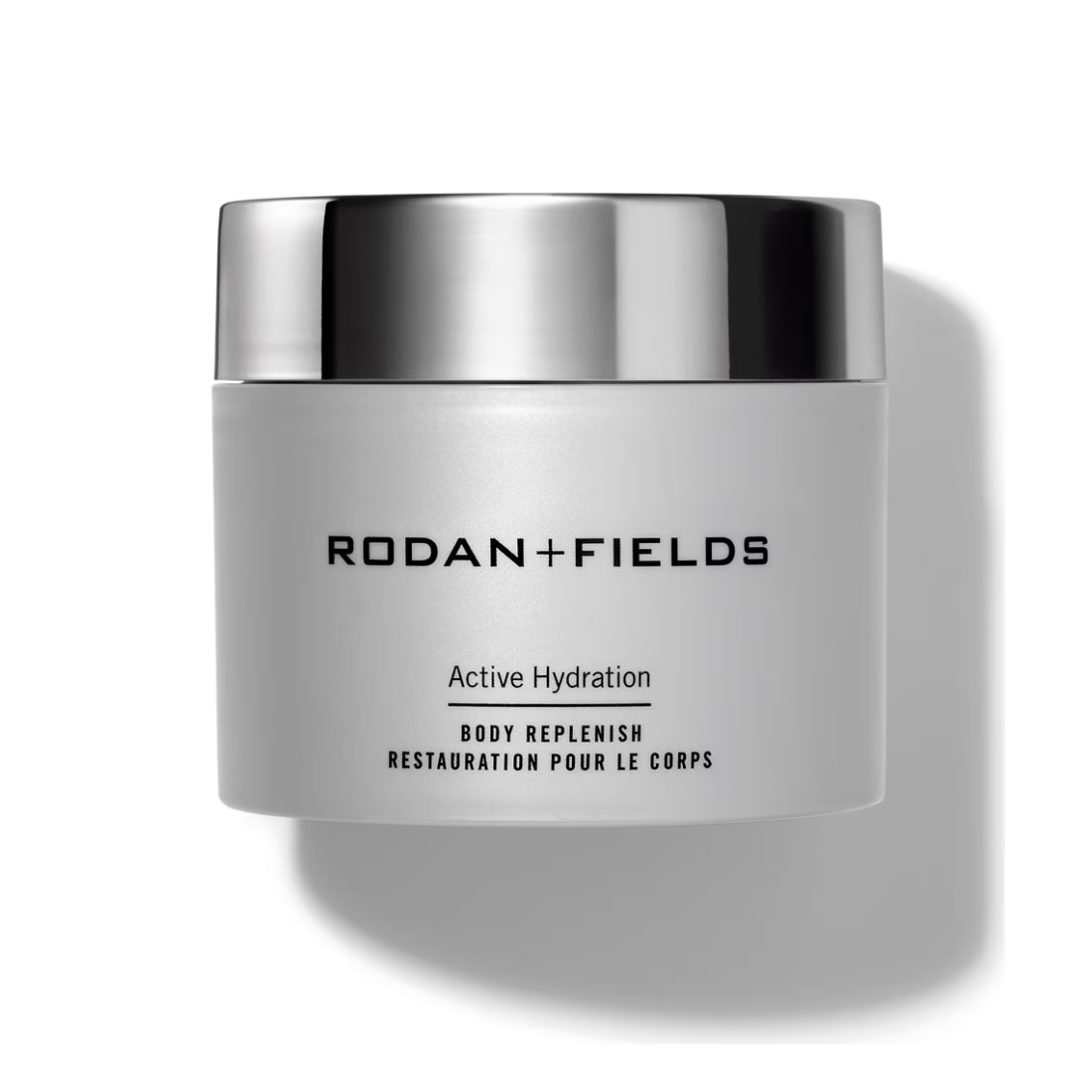
All-over hydration. This dermatologist-developed body moisturizer delivers instant and continuous hydration so skin looks and acts younger.
Recommended Usage: Daily, after showering. Reapply as needed.
Size: 200 mL / 6.76 Fl. Oz. U.S.
DETAILS
What it is: An ultra-hydrating body moisturizer cream that promotes noticeably softer, smoother and more nourished skin.
Why you need it: Hydrated skin acts younger. This advanced body moisturizer helps prevent future moisture loss for skin that looks and feels younger.
Awards: CEW Award 2019 Bath and Body Prestige. Click Here for Article.
ITEM NUMBER: ENBR001
KEY CONCERNS
Dry, rough, and undernourished skin
KEY BENEFITS
Instant and continuous hydration, helps prevent moisture loss, and delivers noticeably softer, smoother, nourished skin
INGREDIENTS
Proprietary Technology + Key Ingredients
- 3D3P Molecular Matrix
Contains 30% Glycerin and cross-linked Hyaluronic Acid to draw hydration from the atmosphere to the surface of the skin
- Glycerin
Moisturizes and helps shield skin from environmental aggressors by maintaining the moisture barrier
- Hyaluronic Acid
Deeply hydrates
HOW TO USE
Apply daily to clean, dry skin after bathing. Use extra product where needed. Not intended for use on face.
ESSENTIALS Daily Body Moisturizer
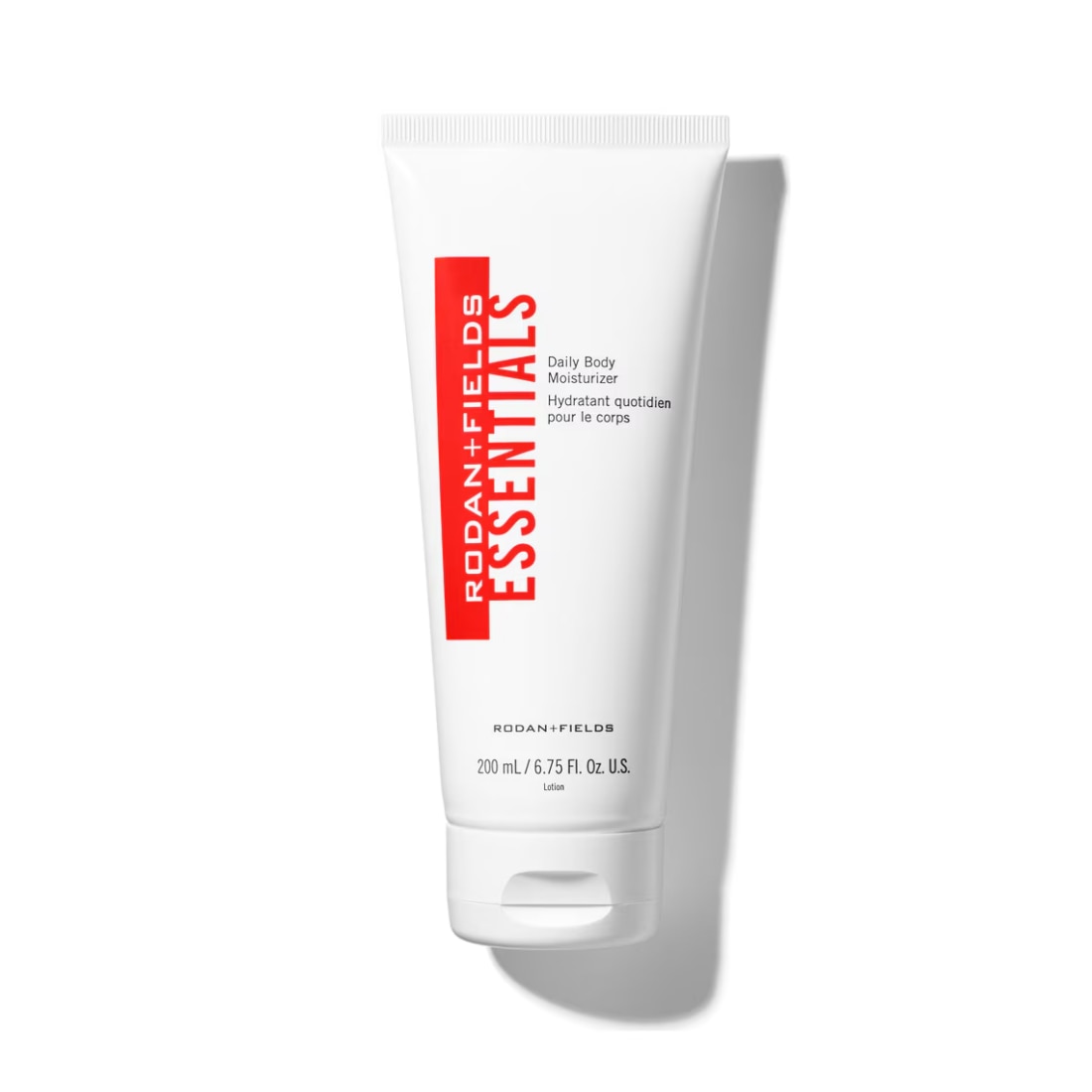
Feel comfortable in your skin. This lightweight lotion with calming RF-Dcell Technology and hydrating Sunflower + Jojoba Seed Oils tackles dry, flaky skin as it helps retain moisture.
Recommended Usage: Daily, after showering. Reapply as needed.
Size: 200 mL / 6.8 Fl. Oz. U.S.
DETAILS
What it is: A lightweight body lotion that targets dry, flaky skin. This non-greasy moisturizer helps seal in hydration to soften skin and keep it comfortable all day long.
Why you need it: When skin lacks moisture, daily comfort can suffer. This hydrating lotion with calming RF-Dcell Technology and Sunflower + Jojoba Seed Oils helps deliver soft, smooth skin that stays comfortable from morning to night.
ITEM NUMBER: ESBL200
KEY CONCERNS
Dry, rough skin
KEY BENEFITS
Non-greasy formula that helps condition skin’s natural moisture barrier for soft, hydrated skin
INGREDIENTS
Proprietary Technology + Key Ingredients
- RF-Dcell Technology Utilizes Narcissus Tazetta Bulb, calms skin from climate-induced stressors
HOW TO USE
For best results, use right after showering or bathing.
- Apply liberally over the entire body every day.
- Reapply as needed.
Discover dermatologist-developed hydration solutions that fit your routine at Rodan + Fields.
Practical Tips for Getting the Most From Any Body Moisturizer
Apply body moisturizer to slightly damp skin after bathing or showering. This helps humectants draw in the water already on the surface and reduces the amount of product needed for good coverage.
Use gentle, upward strokes rather than vigorous rubbing. This encourages absorption without irritating skin or disrupting the barrier you are trying to support.
Focus extra product on known problem areas. Elbows, knees, heels, and any patches that feel rough benefit from a second thin layer or a richer formula at night.
Reapply when skin starts to feel tight again. Frequency depends on climate, activity level, and how often you wash. Hands and exposed skin often need more frequent attention.
Store products in a cool, dry place. Extreme temperatures can change texture, especially for formulas that contain natural butters.
Patch test new products on a small area first, particularly if you have sensitive skin or a history of reactions. This simple step helps confirm compatibility before full-body use.
See our:
Discover dermatologist-developed hydration solutions that fit your routine at Rodan + Fields.